Wai Khru: The Teacher Ceremony Every Expat Should Understand
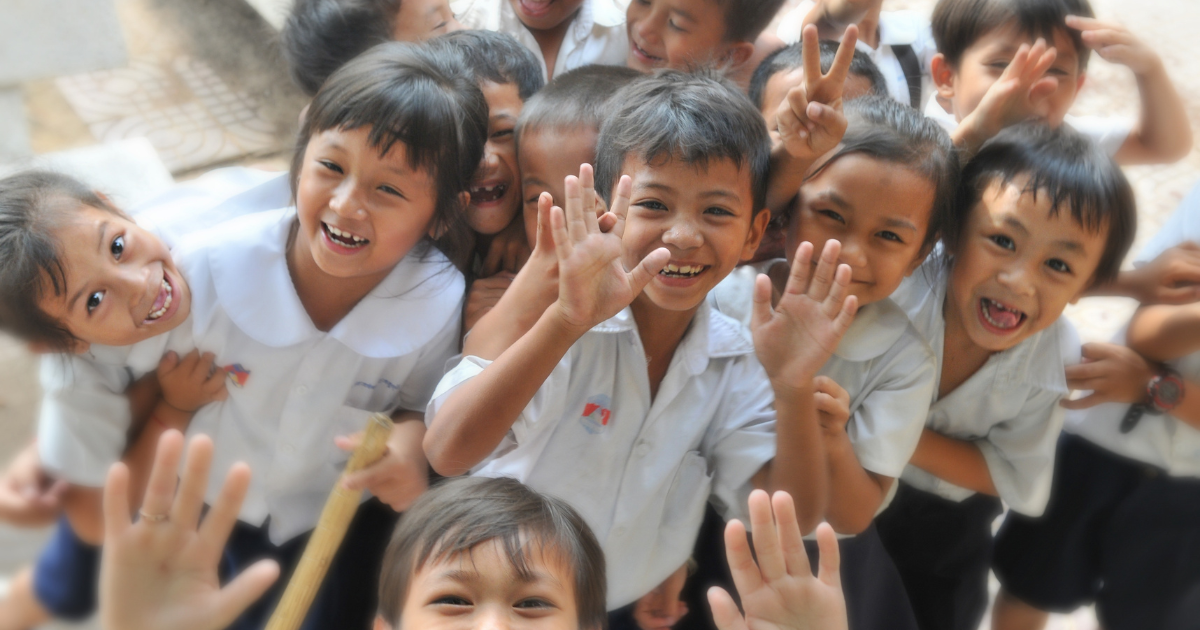
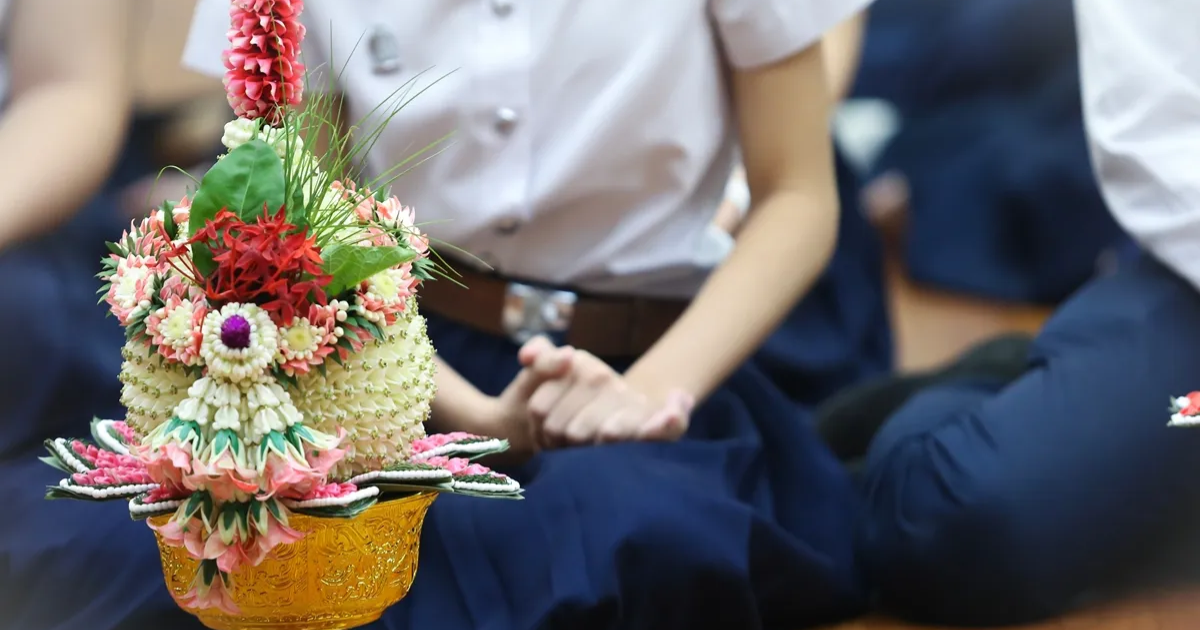
The first Thursday of the academic year in Thailand does not look like any school morning you have ever seen. Students arrive in pressed uniforms carrying elaborate floral arrangements made from jasmine, marigolds, and folded banana leaves. They kneel. They bow. They place the offerings at the feet of their teachers. Then, in many schools, a student chosen for their moral character performs a series of sacred choreographed rituals while teachers observe in near silence.
This is Wai Khru. And if you want to understand how Thai society actually works, it is one of the most instructive ceremonies you will ever witness.
What Wai Khru Actually Is
Wai Khru (ไหว้ครู) translates literally as "to pay respect to the teacher." The word wai refers to the traditional Thai greeting gesture, hands pressed together at chest or forehead level, and khru derives from the Sanskrit guru, meaning teacher.
The ceremony formalises the relationship between student and teacher, a bond that in Thai Buddhist culture carries lasting moral weight. A teacher is not just someone who delivers a curriculum. Teachers are understood to occupy a role of deep social and spiritual responsibility, and Wai Khru is the moment students acknowledge this publicly.
The ceremony takes place annually, typically on the first or second Thursday of the academic year, which in Thailand runs from May to March. Thursday was chosen because in Hindu-Brahmin tradition, which has deeply shaped Thai ritual life, it is the day associated with teachers and knowledge. The ruling planet for Thursday is Brihaspati, the deity of wisdom.
The Ritual Itself
In a traditional Wai Khru ceremony, students bring phum offerings: carefully constructed arrangements of flowers with specific symbolic meanings. Eakua (a type of grass) represents academic diligence and the desire to absorb knowledge the way grass absorbs rain. Dok Kem, a small white flower with sharp petals, symbolises sharp intelligence. Khao tok, popped rice, represents respect and warmth.
Students kneel before their teachers, place offerings in their hands, and receive a blessing in return. In many schools, teachers will touch the crown of a student's head, the most sacred part of the body in Thai belief, an act of transferring protection and blessings.
More formal Wai Khru ceremonies, particularly in classical dance, Muay Thai, and traditional music, involve additional rituals including incense, candles, and specific spoken formulae in Pali, the liturgical language of Theravada Buddhism.
Why It Matters Beyond the Ceremony
Wai Khru is visible evidence of a principle that runs through all of Thai social life: the importance of gratitude toward those who give knowledge, guidance, or care. This connects directly to the concept of bunkhun, a deep sense of moral debt owed to those who have provided for you.
Thai children are taught that the debt owed to parents, teachers, and the nation is lifelong. This is not presented as a burden. It is framed as an honour. The gratitude is real, and the relationship between student and teacher in Thailand typically persists well beyond formal education. It is not uncommon for Thai adults to visit their former schoolteachers on important occasions or to seek their blessing before major life events.
For expats working in Thai schools or universities, understanding Wai Khru changes everything about how you read the room. The formality is not performative. The students who seem most reverential are not putting on a show. They are expressing a deeply held orientation toward knowledge and those who transmit it.
Wai Khru in the Arts and Martial Arts
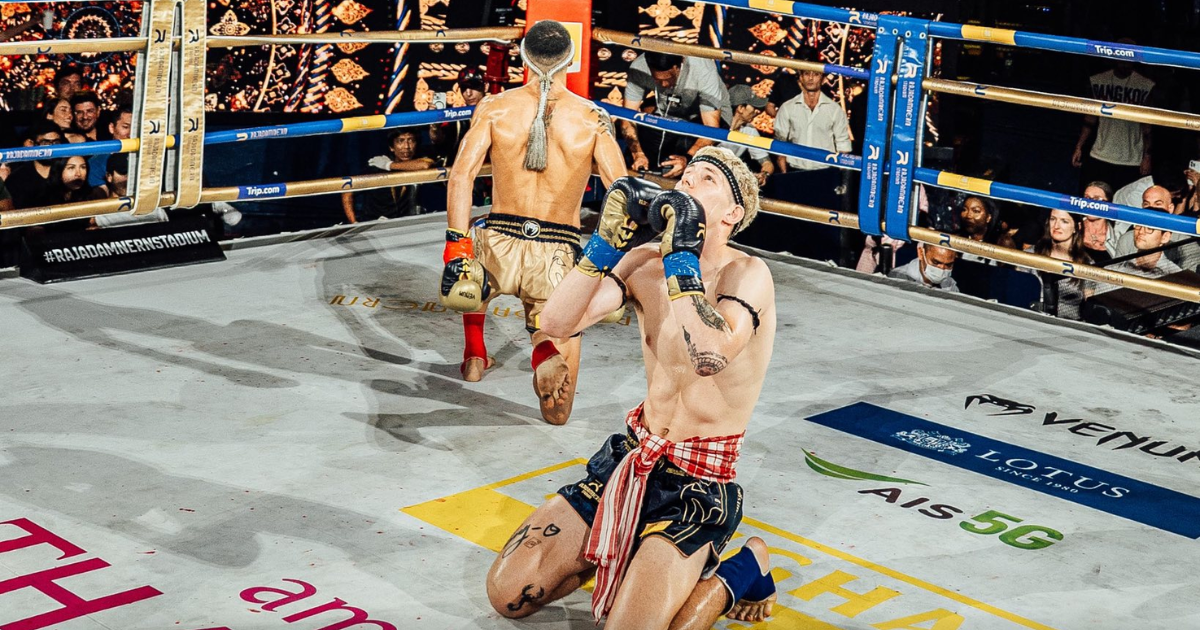
The Wai Khru ceremony extends far beyond classroom education. In Muay Thai, the Wai Khru Ram Muay is the pre-fight ritual you see every time two fighters enter the ring. Each fighter performs an individual dance-like sequence that honours their personal trainer, their gym, and the lineage of teachers who shaped their fighting style. No two Ram Muay are identical. Learning the specific steps is part of a fighter's training. Performing it with sincerity before a fight is considered essential.
In Thai classical dance, the Wai Khru ceremony before a performance involves asking the spirits of past masters for permission and protection. Dancers who skip this ritual are considered to be inviting misfortune.
In traditional Thai music, learners perform Wai Khru before touching an instrument at the beginning of formal study, and again before certain performances.
What Expats Often Misread
The most common misreading is to interpret Wai Khru as blind deference or an uncomfortable residue of hierarchy. That interpretation misses the emotional reality.
In the Thai understanding, hierarchy is not about control. It is about care flowing downward and gratitude flowing upward. The teacher who receives a Wai Khru offering accepts with it a real responsibility: to take seriously the student's trust and development. The ceremony is mutual, even when it appears one-sided.
This is worth sitting with if you are teaching in Thailand. The respect your students show you is genuine, and carries genuine expectations. The teacher-student relationship here is not transactional.
How to Behave If You Witness One
If you find yourself present at a Wai Khru ceremony, sit quietly and observe. Remove your shoes if instructed, and follow the lead of others around you. Do not photograph individual students without permission. If you are a teacher being honoured, receive the offerings with both hands, a slight bow, and genuine acknowledgment.
The correct response to a student's Wai is not to ignore it, nor to over-perform your own bow in a way that flattens the hierarchy the ceremony is intended to reinforce. A quiet nod and a sincere expression of thanks is appropriate.
Wai Khru is one of those Thai ceremonies that rewards patience and observation. The more you understand what is being said without words, the more Thailand starts to make sense.
The Thaitan covers Thai culture, expat life, and the Bangkok you don't find in guidebooks.