Nang Talung: Southern Thailand's Shadow Puppet Tradition
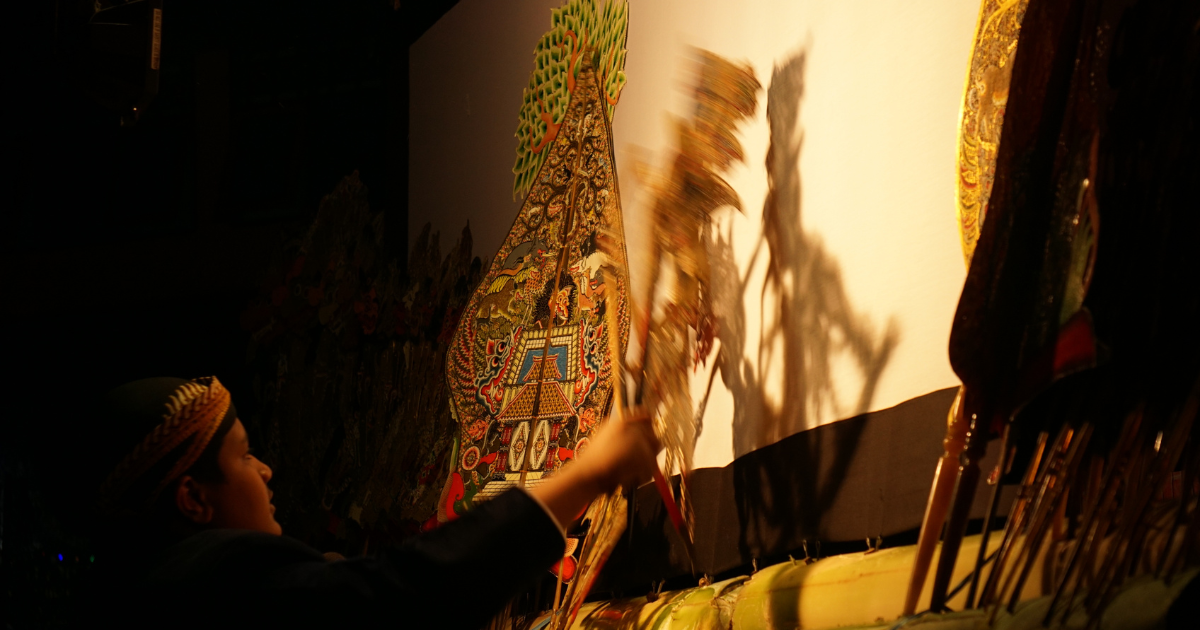
In Nakhon Si Thammarat, on a Thursday night in a village on the outskirts of the city, a performance might last until four in the morning. The audience knows the stories by heart. They have heard them hundreds of times. They come anyway, settling on mats in the open air as a single puppeteer holds leather figures against a backlit white screen, giving voice to gods, demons, and comic servants in an unbroken tradition that has been running in southern Thailand for at least four centuries.
Nang Talung is one of the oldest performing arts in Southeast Asia. Outside the communities where it is still practiced, almost nobody has heard of it.
What Nang Talung Is
Nang Talung (หนังตะลุง) is a form of shadow puppetry performed primarily in the southern Thai provinces of Nakhon Si Thammarat, Phatthalung, Songkhla, Pattani, and Surat Thani. The name derives from nang (leather, or shadow puppet) and Talung, a shortened reference to Phatthalung province, where the form may have developed its distinctively southern character.
The puppets are flat figures cut from buffalo or cow hide, typically 30 to 60 centimetres tall, with articulated arms controlled by bamboo rods. They are intricate objects: the leather is pierced and scraped into patterns that allow light to pass through and create detailed silhouettes on the screen. A traditional puppet takes a skilled craftsman several days to complete.
A full Nang Talung troupe consists of a lead puppeteer (the nai nang), who manipulates the puppets and voices all characters, musicians playing the mo lam ensemble of percussion, oboe, and drums, and in some productions, additional performers who handle crowd control or secondary puppets.
The repertoire draws from the Ramakien (Thailand's version of the Hindu Ramayana epic), Thai folklore, local legends, and in contemporary performances, improvised social commentary and topical humor.
The Puppeteer as One-Person Theatre
The most striking thing about watching a Nang Talung performance is what the lead puppeteer is doing simultaneously. He is holding and manipulating multiple leather figures against the screen. He is voicing every character in the narrative, shifting between the formal register of divine characters, the aggression of demons, and the broad comic vernacular of the clown figures. He is cueing musicians. And in the improvised sections, he is generating real-time comedy that responds to the audience, the occasion, and occasionally hecklers.
The clown characters, called ruang or comic servants, are the emotional centre of most Nang Talung performances. They provide relief between dramatic sequences, they comment on the main narrative, and they are the vehicle through which the puppeteer can address local events, politicians, and social absurdities. This is permitted precisely because it is framed as entertainment. The tradition has historically allowed commentary under the cover of comedy that would have been difficult to express directly.
Nakhon Si Thammarat: The Heartland
Nakhon Si Thammarat province in the upper south of Thailand is considered the heartland of Nang Talung. The city of Nakhon Si Thammarat holds the Nakhon Si Thammarat National Museum, which contains a significant collection of antique Nang Talung puppets alongside documentation of the tradition's history. The museum is located on Ratchadamnoen Road and is open Tuesday through Sunday.
Puppet workshops where traditional figures are still hand-crafted survive in several locations around the city. Suchart Subsin's workshop and puppet museum near the old city walls is the most documented destination for visitors interested in the craft: Suchart was recognised as a National Artist of Thailand for his work in Nang Talung, and his studio functions as both a working workshop and a small informal museum. He passed away in 2015, but the workshop continues under his family.
Live performances in Nakhon Si Thammarat are tied to community events, temple fairs, and merit-making ceremonies. They are not scheduled for tourist consumption, which means that attending one requires either local contacts or a fortunate coincidence during the right season. The period around major Buddhist holidays and between harvest seasons historically produces the most active performance calendar.
How Nang Talung Differs From Other Traditions
Nang Talung is distinct from Thailand's other leather puppet tradition, Nang Yai, which is performed in central Thailand and uses much larger, non-articulated figures held by performers who dance behind the screen. Nang Yai is a more formal, court-associated tradition. Nang Talung is village theatre: participatory, comedic, and built for an audience that wants to be entertained across a long night.
The form also differs from the Wayang Kulit shadow puppet traditions of Malaysia and Indonesia, with which it shares some historical connections via the shared Malay cultural world of the southern peninsula. The puppets in Nang Talung have a distinctively Thai visual character, and the performance conventions diverge significantly from the Javanese or Malaysian forms despite the shared lineage.
Why It Is Worth Knowing
Nang Talung exists at the edge of the English-language cultural conversation about Thailand. Almost nothing has been written about it for foreign audiences. The communities that still sustain it are not in Bangkok. The performances are not marketed.
It is, for those reasons, a window into something genuine: a performing art that has survived not because it was preserved institutionally but because it still gives people a reason to sit outside until four in the morning.
The Thaitan covers the cultural traditions of all of Thailand, not just Bangkok. For more on the country's performing arts, read our guides to Khon classical dance drama and Muay Thai as cultural practice.