10 Films That Will Change How You See Thailand
Most people who visit Thailand leave with a version of the country assembled from temples, street food, and sunsets. Thai cinema offers something more honest: the tension between tradition and modernity, the silence between family members that says everything, the way Buddhism shapes how people understand suffering and luck and time. Watch enough of it and you begin to understand a Thailand that no guidebook can reach.
These ten films are not a complete survey of Thai cinema. They are an entry point. Each one will show you something real.
Table of Contents
- Ong-Bak (2003)
- Tropical Malady (2004)
- The Iron Ladies (2000)
- Shutter (2004)
- Uncle Boonmee Who Can Recall His Past Lives (2010)
- Bad Genius (2017)
- The Teacher's Diary (2014)
- Last Life in the Universe (2003)
- Homestay (2018)
- How to Win at Checkers (Every Time) (2015)
1. Ong-Bak (2003)
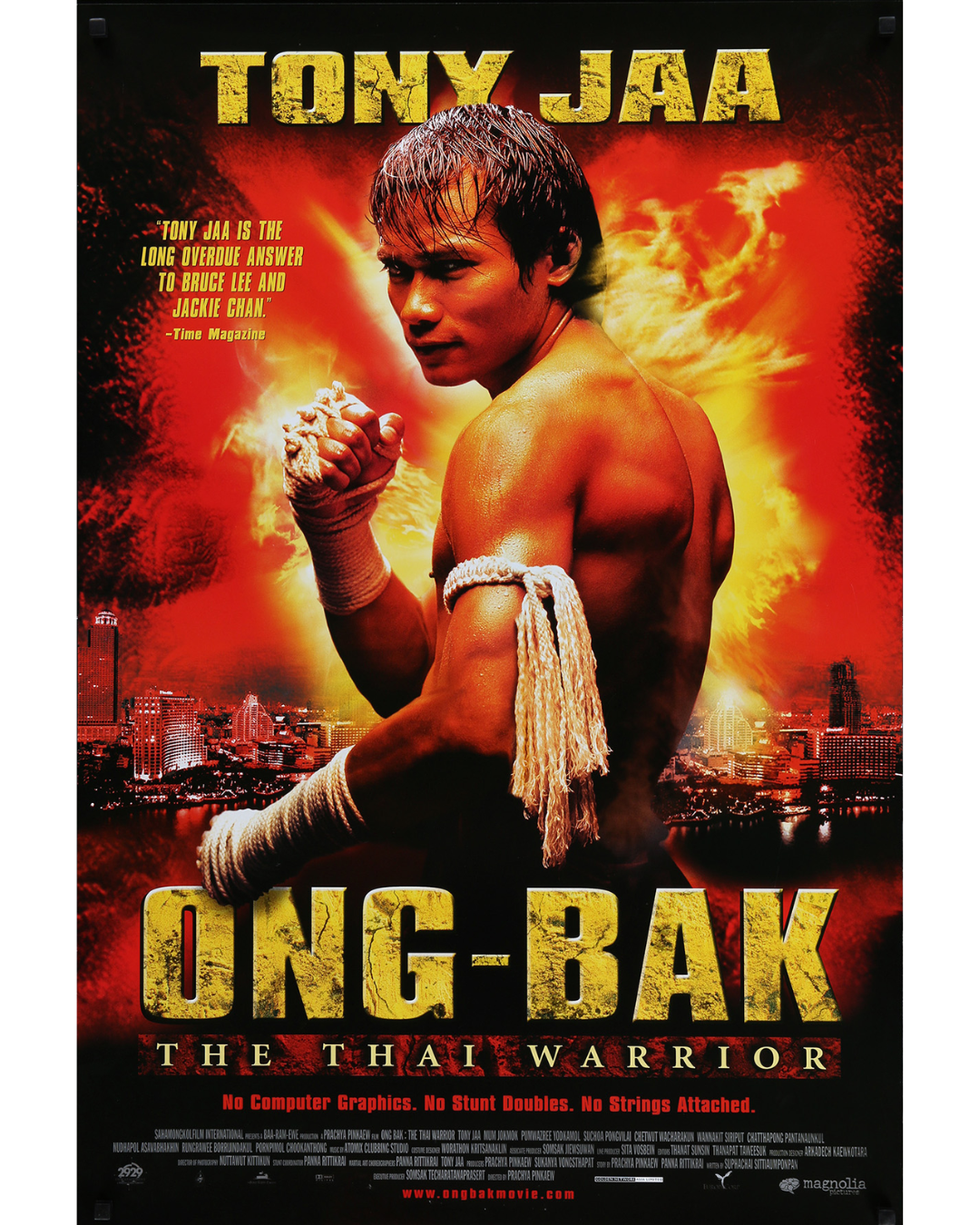
Director: Prachya Pinkaew | Where to watch: Available on streaming and physical media internationally
The film that introduced Tony Jaa to the world also introduced Muay Thai to a generation of action cinema fans who had never considered it a cinematic art form. Jaa plays Ting, a young man from rural Isan who travels to Bangkok to recover a stolen Buddha head from his village temple. The plot is minimal. The action is extraordinary.
What Ong-Bak communicates beyond the fights is the contrast between rural and urban Thailand that still defines much of Thai social life. Ting arrives in Bangkok without money, without connections, and without any of the street-level cynicism the city runs on. The Bangkok he encounters is loud, corrupt, and indifferent. His village is not idealised, but the film is clear about what has been lost in the move to the city. Watch it before you try to dismiss Muay Thai as simply a sport.
2. Tropical Malady (2004)
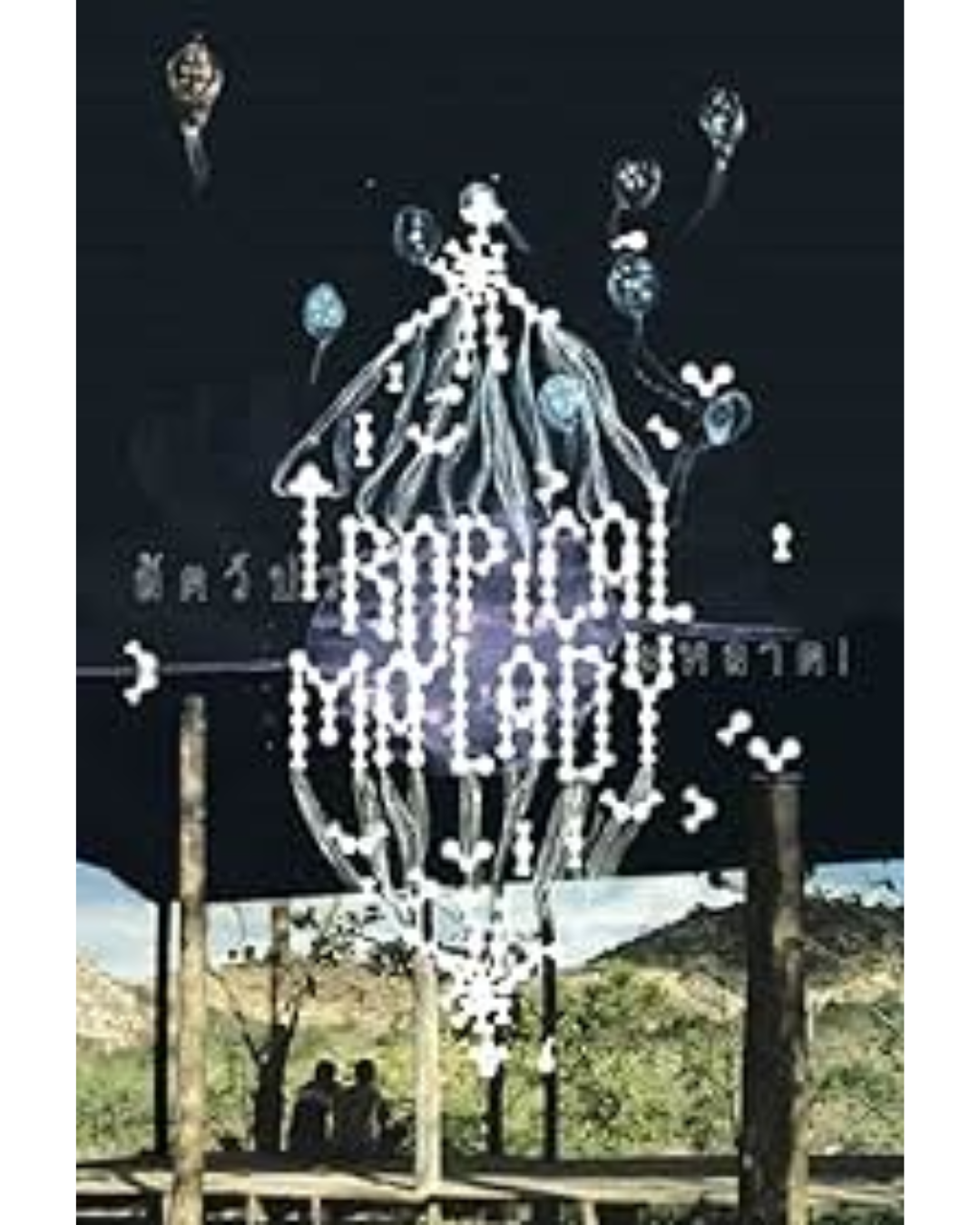
Director: Apichatpong Weerasethakul | Where to watch: Criterion Collection; available on MUBI
Apichatpong Weerasethakul is the most internationally significant Thai filmmaker working today. He won the Palme d'Or at Cannes in 2010 for Uncle Boonmee, but Tropical Malady is the film that most directly captures something essential about how the Thai imagination works.
The film splits in two. The first half follows a gentle romance between a soldier and a young man in a small northeastern town. The second half enters the forest and becomes something else entirely: a mythological hunt in which one man pursues the other through jungle darkness, guided by spirits and animal forms drawn from Thai folk tradition. The connection between the two halves is never explained because it does not need to be. Thai belief has always held the natural world and the spirit world as continuous, not separate. This film lives inside that continuity.
3. The Iron Ladies (2000)
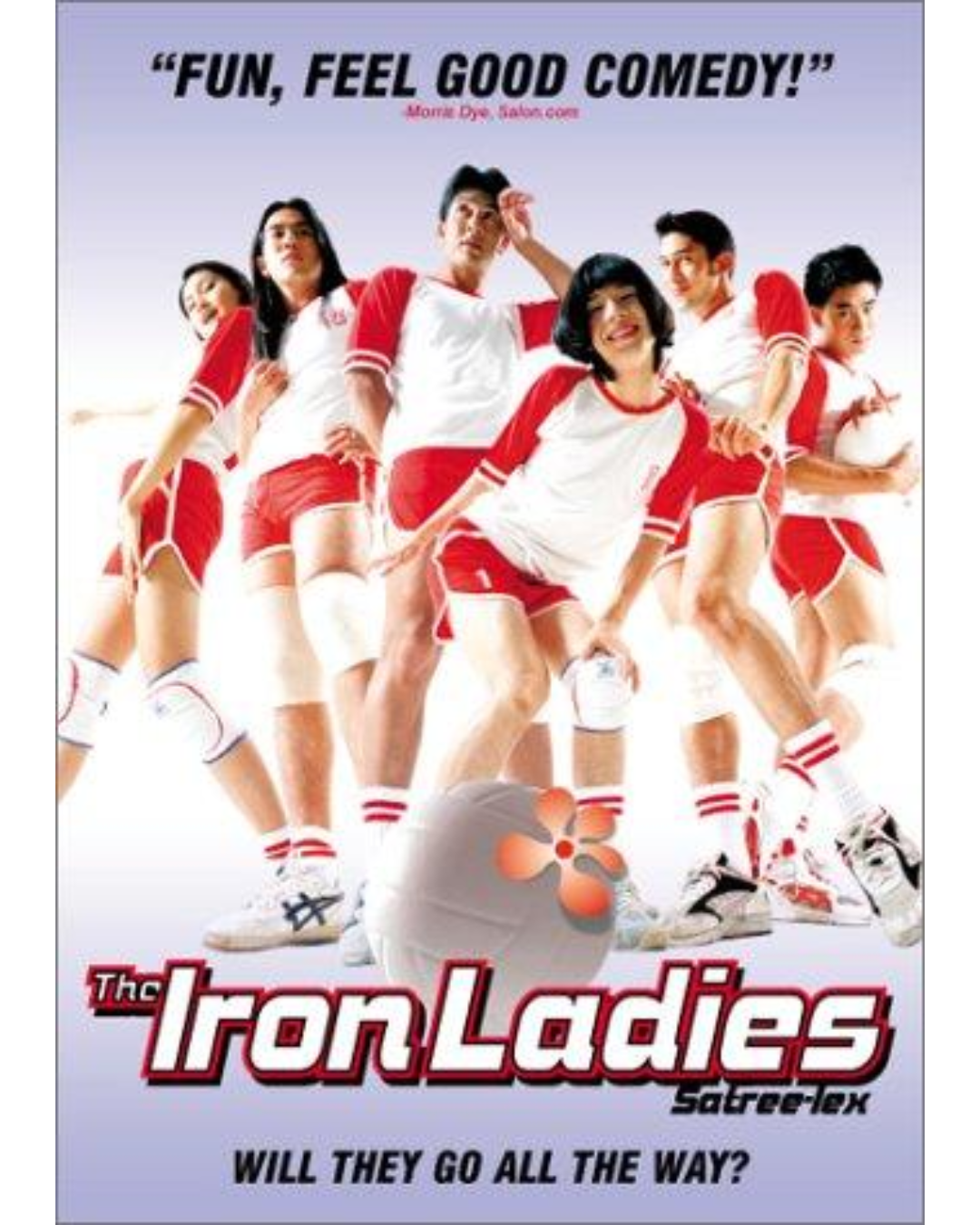
Director: Yongyoot Thongkongtoon | Where to watch: Available on DVD; check streaming in your region
Based on the true story of a Thai volleyball team composed largely of gay and transgender players who won the national championship in 1996, The Iron Ladies is both a crowd-pleasing sports comedy and a window into how Thai society navigates gender and acceptance. The film was a massive domestic hit and remains one of the highest-grossing Thai films of its era.
The Thai concept of kathoey, often translated as "ladyboy" in English, has no precise Western equivalent. Thai culture has historically accommodated gender nonconformity in ways that Western frameworks struggle to categorise. The Iron Ladies does not present this as radical or controversial. It presents it as ordinary, which is precisely the point.
4. Shutter (2004)
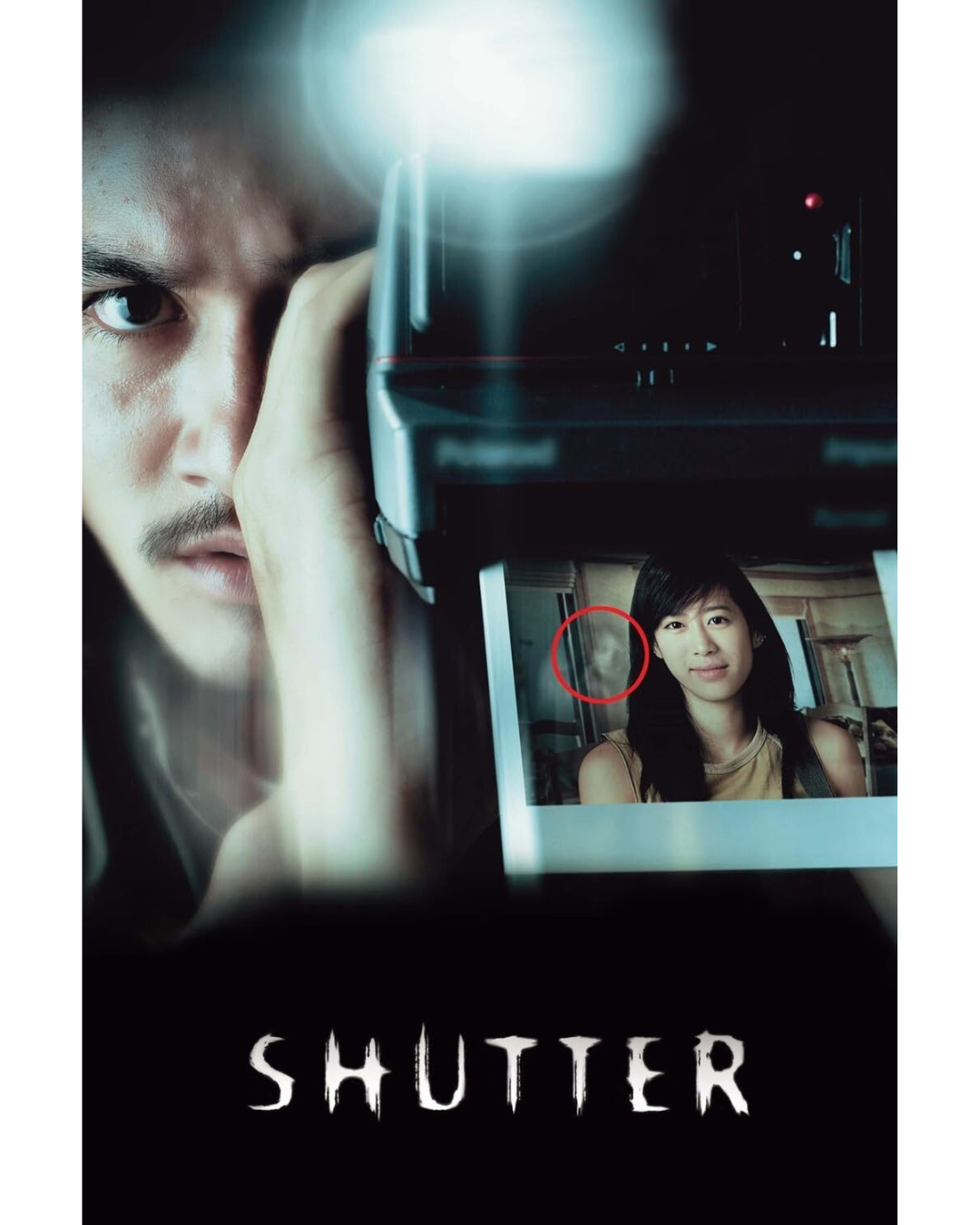
Director: Banjong Pisanthanakun and Parkpoom Wongpoom | Where to watch: Available on streaming platforms
The Thai horror genre is among the most distinctive in world cinema. Shutter is its most influential example, the film that established a template for slow, dread-saturated supernatural storytelling that has been imitated across the region.
A photographer and his girlfriend begin seeing strange apparitions in their photographs following a hit-and-run accident. The ghost story is constructed with real craft, but what makes Shutter linger is how it uses the Thai understanding of spirits as morally responsive presences. In Thai folk belief, the dead do not simply disappear. They remain until the correct rituals are performed, until the living have settled what is unresolved. The horror in this film comes not from the supernatural but from guilt. The ghost is the consequence of what the living chose not to face.
5. Uncle Boonmee Who Can Recall His Past Lives (2010)
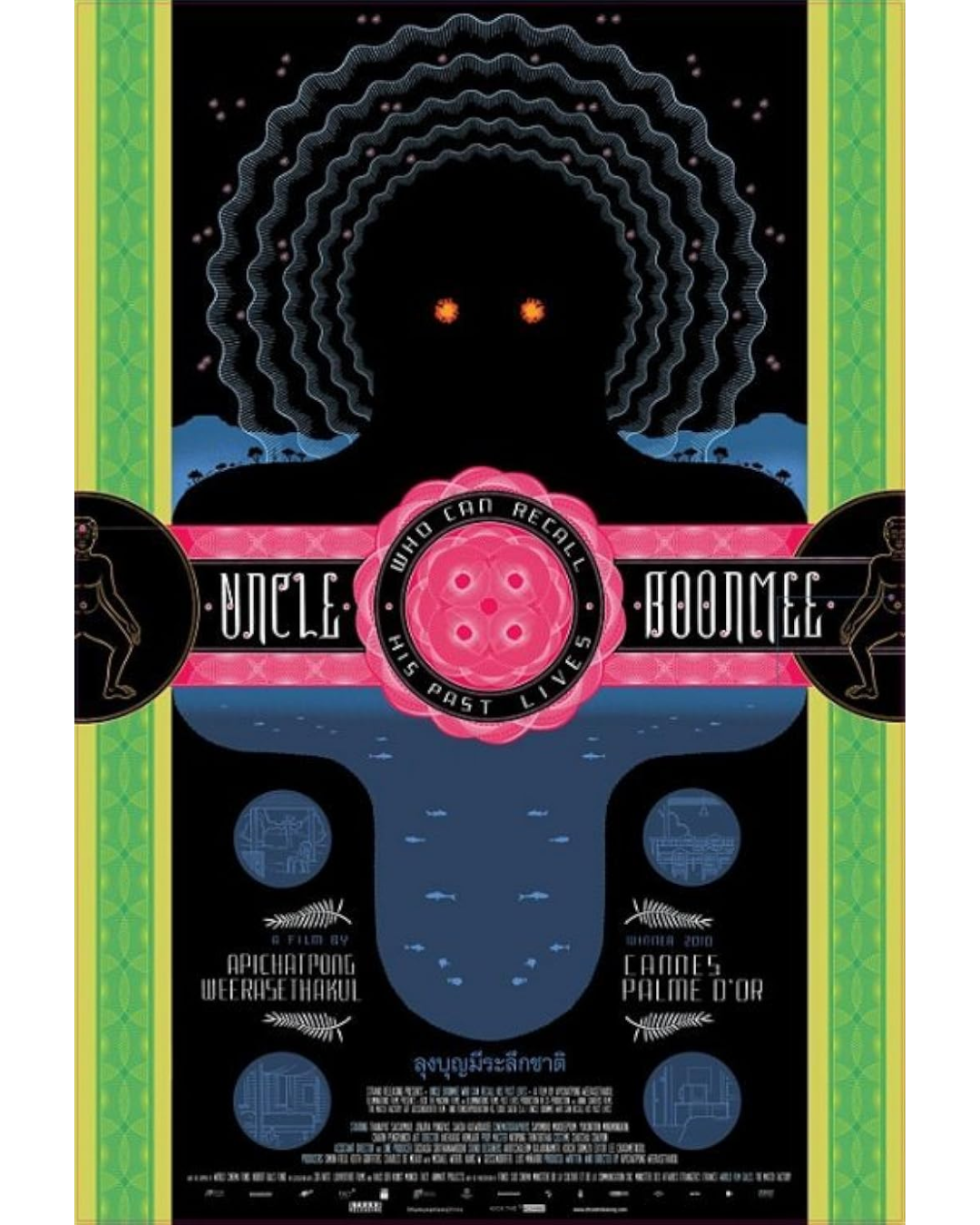
Director: Apichatpong Weerasethakul | Where to watch: Criterion Collection; MUBI; arthouse streaming
A dying man receives visitors at his farm in northeastern Thailand: his deceased wife, his missing son who has taken the form of a forest spirit, and the relatives who have come to care for him. Apichatpong's Palme d'Or winner is slow, strange, and, if you let it work on you, one of the most beautiful films you will see about how Buddhist ideas of impermanence and rebirth shape a culture's relationship with death.
The forest in this film is not threatening. It is continuous with the domestic space. The boundary between the living and the dead is treated as permeable and unremarkable. Watch this in a village guesthouse somewhere in Isan and it will feel less like a foreign film and more like something you already half-understood.
6. Bad Genius (2017)
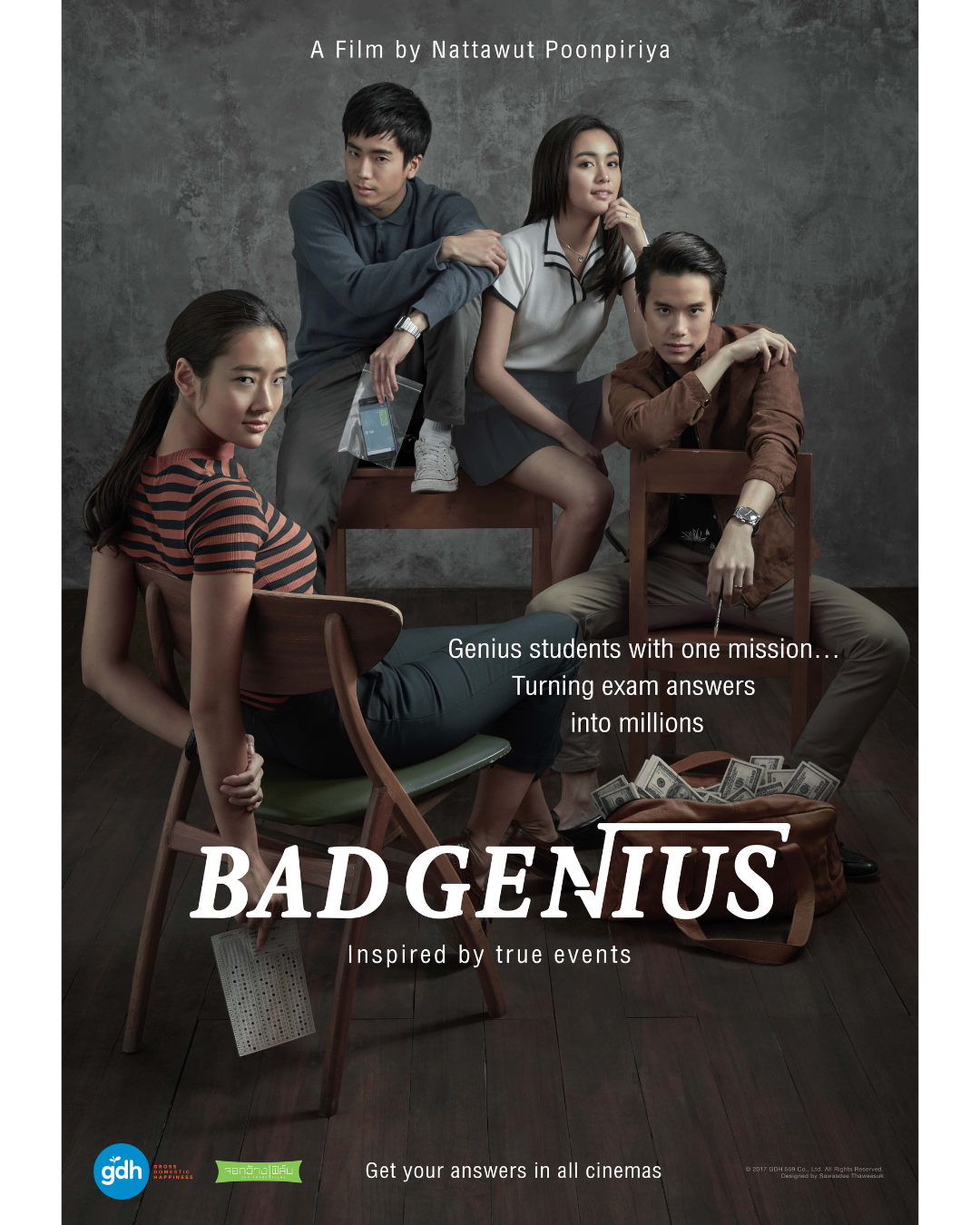
Director: Nattawut Poonpiriya | Where to watch: Netflix; available for purchase or rental internationally
The most commercially successful Thai film of the 2010s internationally, Bad Genius follows a scholarship student who builds an exam-cheating operation and escalates it to international standardised tests. It is constructed like a heist film, edited with the precision of early Christopher Nolan, and shot with a kinetic energy that Thai cinema had rarely deployed at this scale.
Below the thriller mechanics is something worth paying attention to: a clear-eyed portrait of educational inequality in Thailand, where wealth determines access and ambition can only be satisfied through systems that are themselves corrupt. The film does not resolve this tension neatly. Its protagonist is neither hero nor villain. She is someone who understood the rules and used them.
7. The Teacher's Diary (2014)
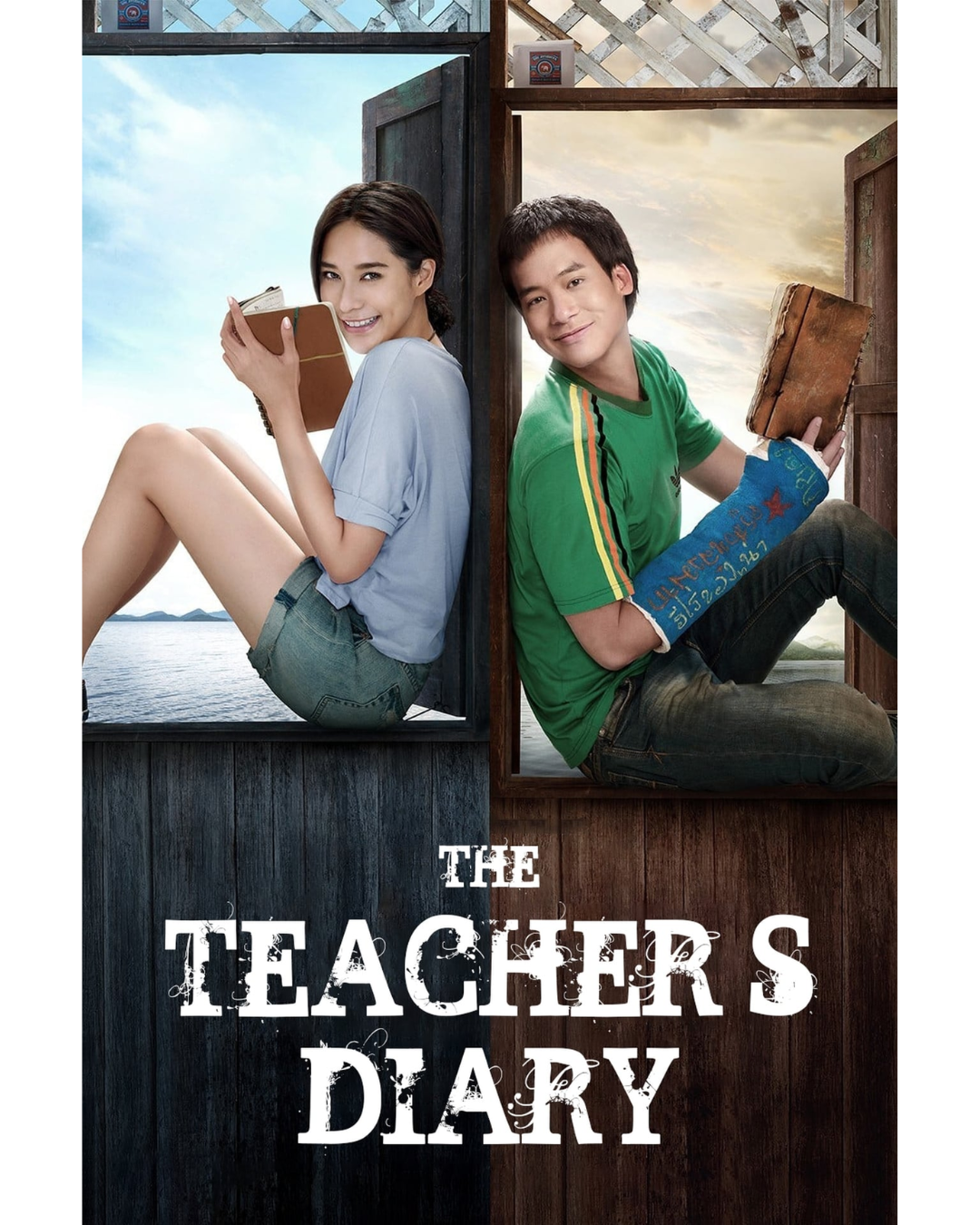
Director: Nithiwat Tharathorn | Where to watch: Available on streaming platforms in Southeast Asia; check YouTube for international availability
A teacher posted to a remote floating school in northern Thailand discovers the diary of his predecessor and falls for a woman he has never met. The Teacher's Diary is a straightforward romantic film, but its portrait of rural Thailand, specifically the river communities of the north, is drawn with unusual specificity and warmth.
For expats who have only known Bangkok, this film is a useful reminder that Thailand contains geographies, economies, and ways of life that bear very little resemblance to the city they inhabit. The landscape alone is worth the watch.
8. Last Life in the Universe (2003)
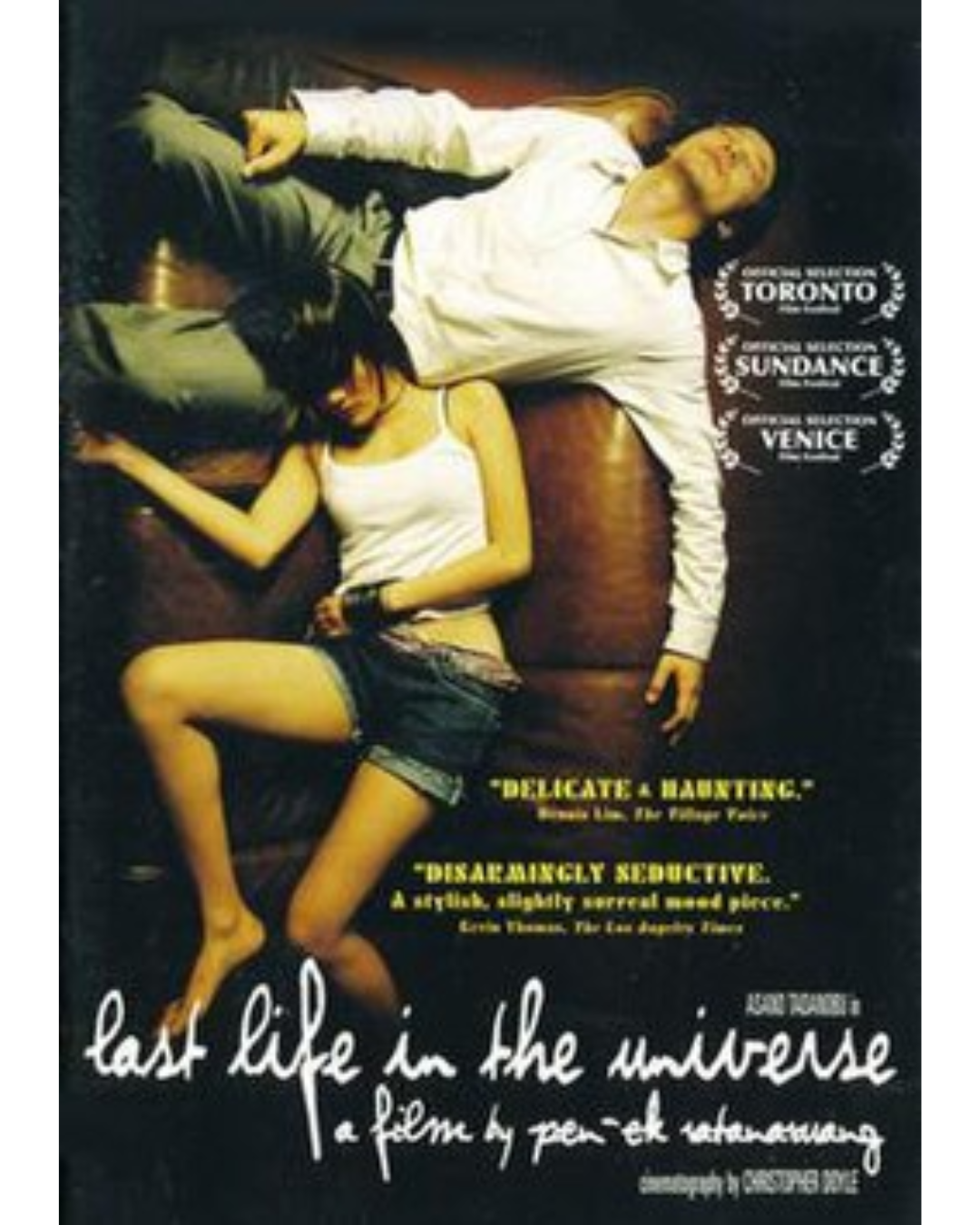
Director: Pen-Ek Ratanaruang | Where to watch: Available on streaming; check Mubi
A Japanese librarian living in Bangkok with suicidal tendencies forms an unlikely connection with a Thai woman following a violent incident. Cinematography by Christopher Doyle, who shot much of Wong Kar-wai's work, gives the film a visual quality that few Thai productions match.
What Last Life in the Universe captures specifically is a Bangkok that residents will recognise: the isolation that is possible inside a dense, loud city, the way foreigners can live here for years without quite arriving, and the strange intimacy that sometimes forms between people who have no reason to trust each other.
9. Homestay (2018)
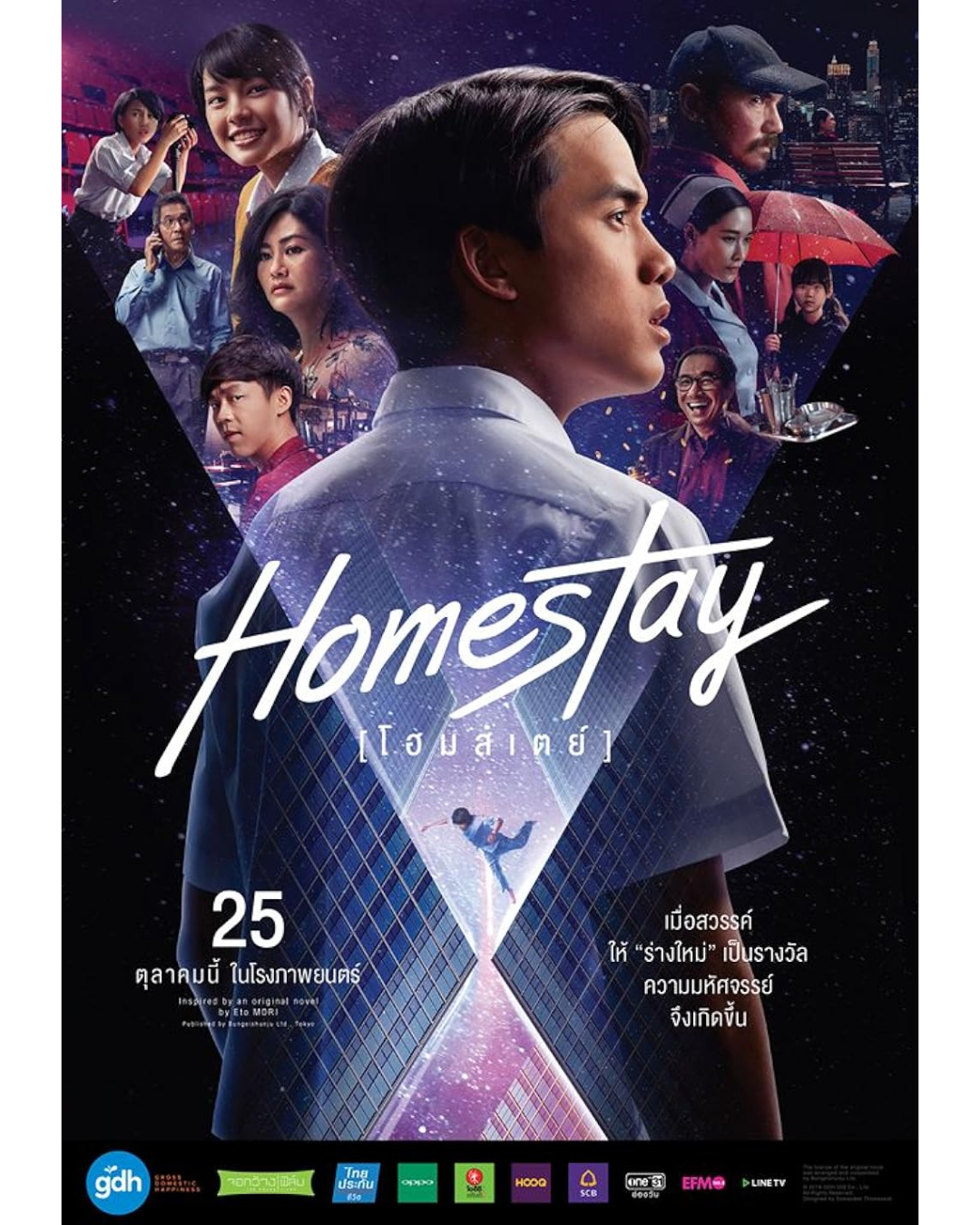
Director: Parkpoom Wongpoom | Where to watch: Netflix Thailand; available for purchase in some regions
Adapted from a Japanese novel, Homestay follows a spirit given the chance to inhabit a dead body and discover why its previous occupant chose to die. It is a film about the Thai understanding of merit, karma, and the value of a single lifetime. Where Western death narratives tend toward resolution and acceptance, Thai Buddhist storytelling is more interested in what is left unfinished and what the living still owe the dead.
This is not a challenging film. It is moving in the way a well-made genre piece can be moving when it takes its ideas seriously. It will make more sense after you have spent time in Thailand than it would have before.
10. How to Win at Checkers (Every Time) (2015)
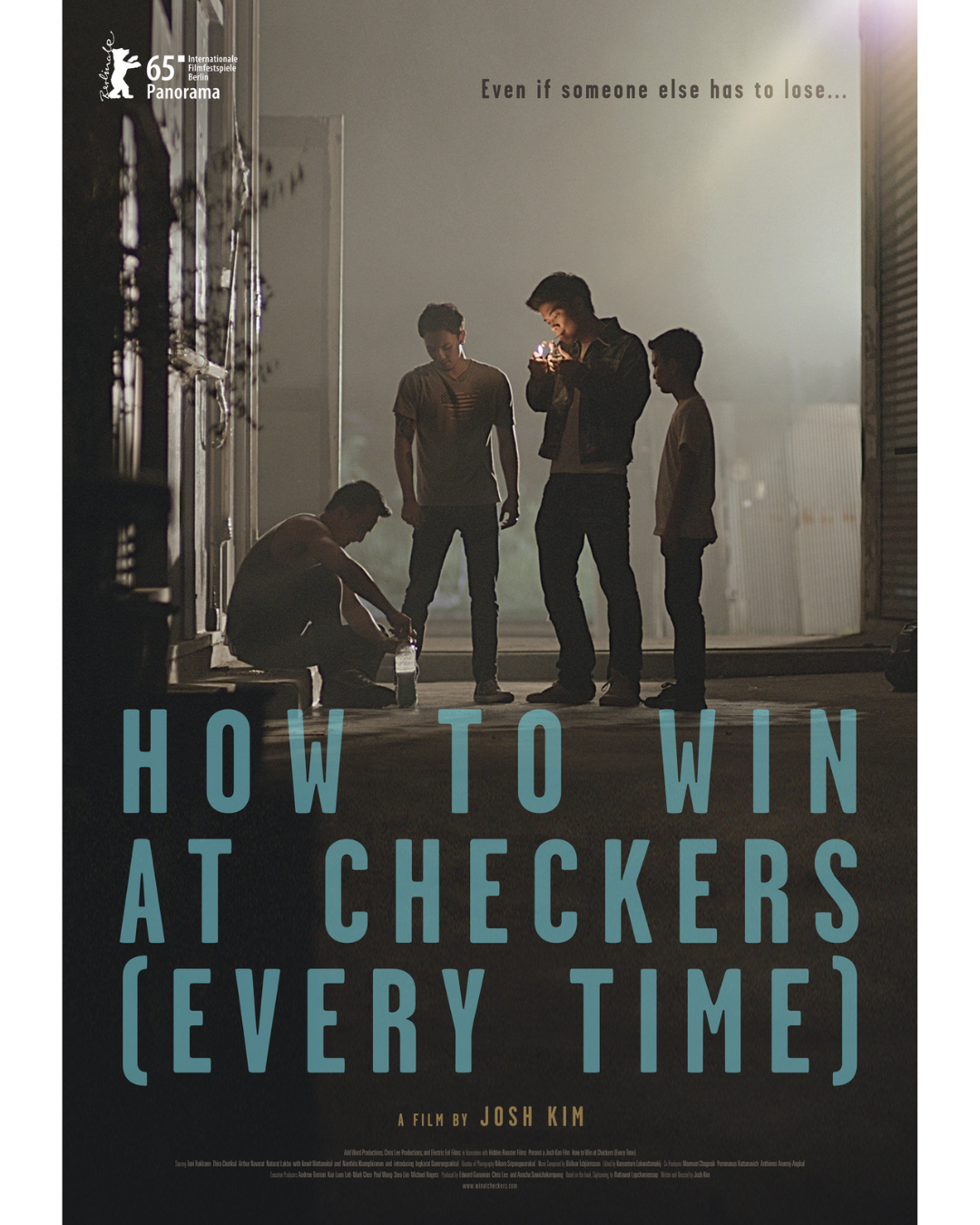
Director: Josh Kim | Where to watch: Available for purchase and rental internationally
A Thai-American production filmed in Bangkok, How to Win at Checkers follows an eleven-year-old boy navigating the annual military conscription lottery that will determine his older brother's fate. Based on short stories by Rattawut Lapcharoensap, it is the most direct engagement with Thai class inequality and military service in this list.
The lottery is real: Thai men face annual conscription draws, with those unable to afford exemptions dependent on chance. The film does not explain this system for foreign audiences. It presents it as the texture of ordinary life for people without money or connections, which is exactly what it is.
Where to Start
If you are new to Thai cinema: Bad Genius, then Shutter, then The Iron Ladies. These three films are immediately accessible and will make you want more.
If you want to understand Thailand more deeply: Tropical Malady, then Uncle Boonmee, then Last Life in the Universe. This path takes longer but leads somewhere the tourist experience cannot.
The Thai Film Archive in Bangkok holds one of Southeast Asia's most important collections. It runs regular public screenings. If you live here, it is worth knowing it exists.